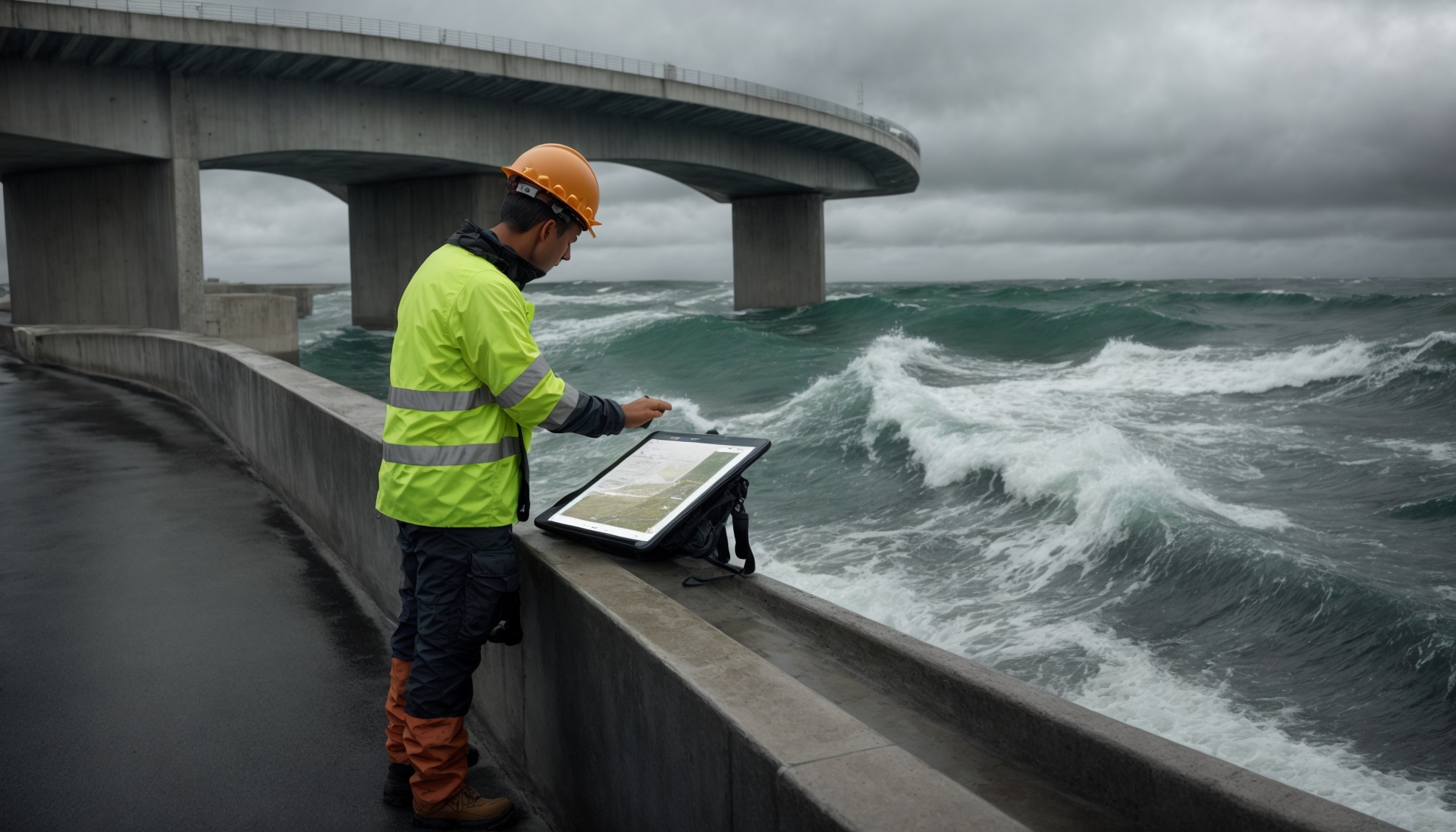
UpStart Crow – Governments and investors increasingly treat climate resilience infrastructure investment as a core requirement in planning, as rising climate risks threaten assets, public budgets, and essential services worldwide.
Intensifying floods, heatwaves, storms, and sea-level rise expose weaknesses in aging roads, bridges, power grids, and water systems. Investors now recognize that climate resilience infrastructure investment reduces long‑term losses and protects returns. Ignoring these risks can lock in vulnerabilities for decades and create costly emergency repairs.
Public authorities also face pressure from citizens and regulators to maintain reliable services during extreme weather. Insurers, rating agencies, and development banks ask tougher questions about climate exposure. As a result, project sponsors who integrate climate resilience early often gain easier access to capital and more favorable financing terms.
The concept extends beyond hard engineering. It includes institutional capacity, emergency response systems, data, and governance. When planners combine physical upgrades with stronger operations and maintenance, climate resilience infrastructure investment becomes a strategic tool rather than a compliance exercise.
Effective integration starts with robust climate risk assessment. Planners need localized projections for temperature, rainfall, wind, and sea-level rise over the full life of the asset. This helps them identify critical thresholds and failure points. Without that evidence base, climate resilience infrastructure investment risks misalignment with real‑world hazards.
Another principle is flexibility. Designing assets with modular components, redundancy, and options for future upgrades allows decision‑makers to adapt as climate science and technology evolve. Meanwhile, nature‑based solutions, such as restored wetlands and urban green spaces, can complement traditional concrete and steel while delivering co‑benefits for biodiversity and public health.
Economic analysis also matters. Instead of focusing only on upfront costs, planners increasingly use lifecycle costing and scenario analysis. This approach often shows that modest extra investment now can avoid far larger repair or replacement costs later, particularly for infrastructure exposed to repeated flooding or heat stress.
International frameworks help standardize approaches and improve investor confidence. Multilateral development banks promote methodologies for climate risk screening and adaptation options. Many institutional investors now ask project sponsors to disclose how climate resilience infrastructure investment shapes design and operation decisions.
Regulatory initiatives, such as climate‑related financial disclosures, encourage transparency on physical risks and adaptation plans. On the other hand, national infrastructure strategies increasingly embed resilience criteria into project appraisal, procurement, and performance monitoring. This alignment pushes the market toward common expectations.
Read More: World Bank guidance on building climate-resilient infrastructure
Digital tools also transform planning practice. Geospatial platforms, climate models, and asset management systems allow authorities to map exposure, simulate damage, and prioritize interventions. When combined with community input, these tools ensure that climate resilience infrastructure investment reflects both technical evidence and local realities.
Financiers increasingly link the cost of capital to resilience performance. Green bonds, sustainability‑linked loans, and blended finance structures reward projects that reduce physical climate risks. Development banks may offer concessional financing or guarantees when sponsors can show robust climate resilience infrastructure investment in their plans.
Insurance markets also influence behavior. Premiums rise when assets sit in high‑risk locations without adequate protection. Conversely, insurers may offer better terms if developers adopt higher design standards or relocate critical components. This dynamic nudges both public and private actors toward more climate‑aware decisions.
Policy instruments, such as tax incentives, grants, or resilience‑based performance standards, further shape investment flows. When governments embed climate criteria into procurement, they send a strong signal to engineering firms, contractors, and equipment suppliers that resilience is now a baseline expectation.
To be effective, climate considerations must run through every lifecycle stage: planning, design, construction, operation, and decommissioning. Early‑stage feasibility studies should include scenario analysis for extreme weather and long‑term trends. That foundation ensures climate resilience infrastructure investment aligns with broader development and land‑use plans.
During design and construction, project teams can adjust alignment, elevation, drainage, materials, and protective structures. For example, raising substations, reinforcing bridges, or expanding retention basins can prevent service disruption. Meanwhile, procurement documents can require contractors to follow climate‑informed design codes and reporting standards.
Operations teams then play a key role in maintaining performance over time. Updated maintenance schedules, monitoring sensors, and emergency protocols support continuous adaptation as conditions shift. When agencies create feedback loops between operators and planners, future projects benefit from lessons learned in the field.
Strong governance frameworks ensure resilience goals translate into practical actions. Clear roles, accountability, and performance metrics help track whether climate resilience infrastructure investment delivers promised benefits. Cross‑sector coordination between transport, energy, water, and urban planning agencies avoids fragmented or contradictory decisions.
Reliable data remains central. Agencies need consistent information on climate hazards, asset conditions, and social vulnerability. In addition, community engagement provides local insights on past impacts, evacuation challenges, and cultural priorities. This knowledge helps shape projects that protect both physical assets and people’s livelihoods.
Ultimately, mainstreaming climate resilience infrastructure investment into standard practice supports safer communities, more stable economies, and more reliable public services. As climate pressures intensify, investors that act early can preserve asset value, manage fiscal risk, and strengthen public trust in long‑lived infrastructure systems.
climate resilience infrastructure investment now stands at the center of strategic planning worldwide, guiding governments and investors that seek durable, flexible, and socially responsive projects capable of withstanding future climate uncertainty.
This website uses cookies.